Accessories are one of the strongest margin drivers on the store floor. Stores with successful accessories aren’t working with better information than their peers, they’re just executing on a handful of things more deliberately than everyone else. The opportunity in accessories isn’t hidden. It’s just frequently under-managed, and that gap between potential and execution is where the real revenue gets left behind.
Here’s what separates the programs that perform from the ones that simply occupy shelf space.
Placement Is a Decision, Not a Default
Where accessories live in the store has an effect on how they perform, and adjusting their placement is one of the lowest-effort, highest-return moves a retailer can make. There’s no new inventory to buy and no major reset required. It’s often just a matter of being intentional about where the category sits.
Near the checkout is a great place to start. It’s one of the highest-converting zones in the store for low-to-mid price point accessories, because the customer is already committed to a transaction and the wallet is already out. The friction to add one more item is about as low as retail gets.
Retailers who move a high-velocity accessory program into that zone often see its turns climb without changing anything about the product or the price. If your best sellers aren’t there yet, that’s an easy experiment worth running.
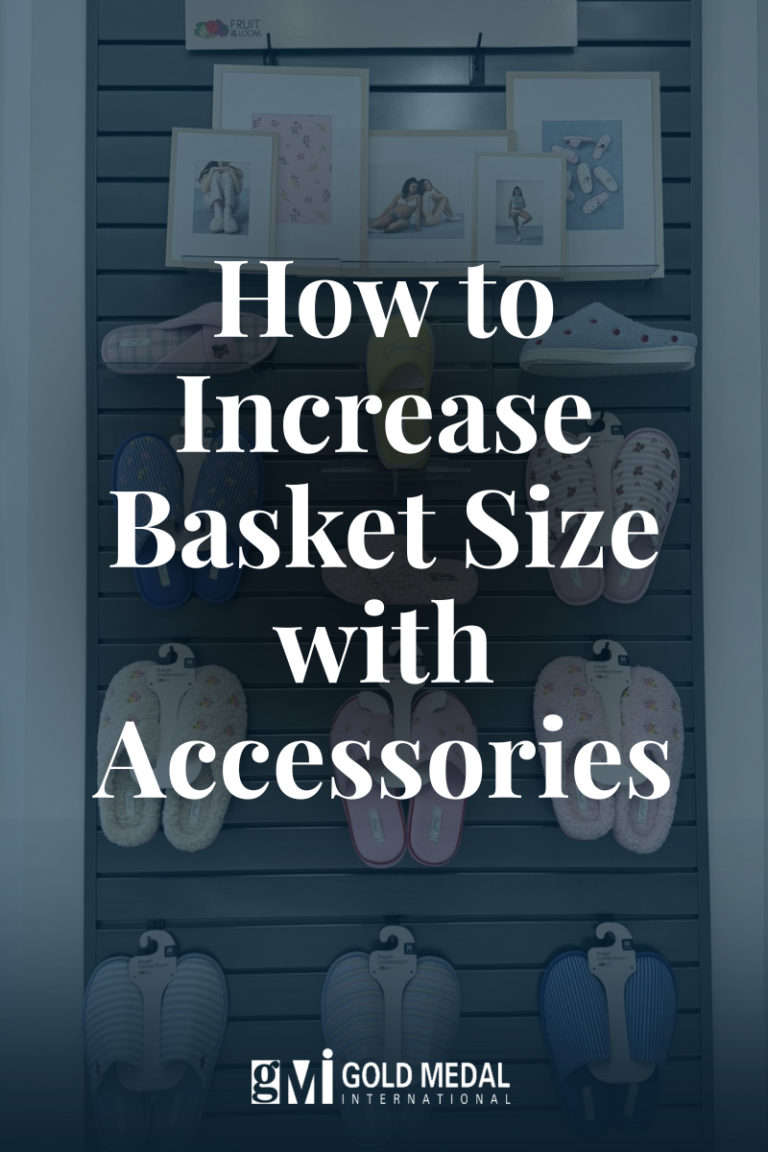
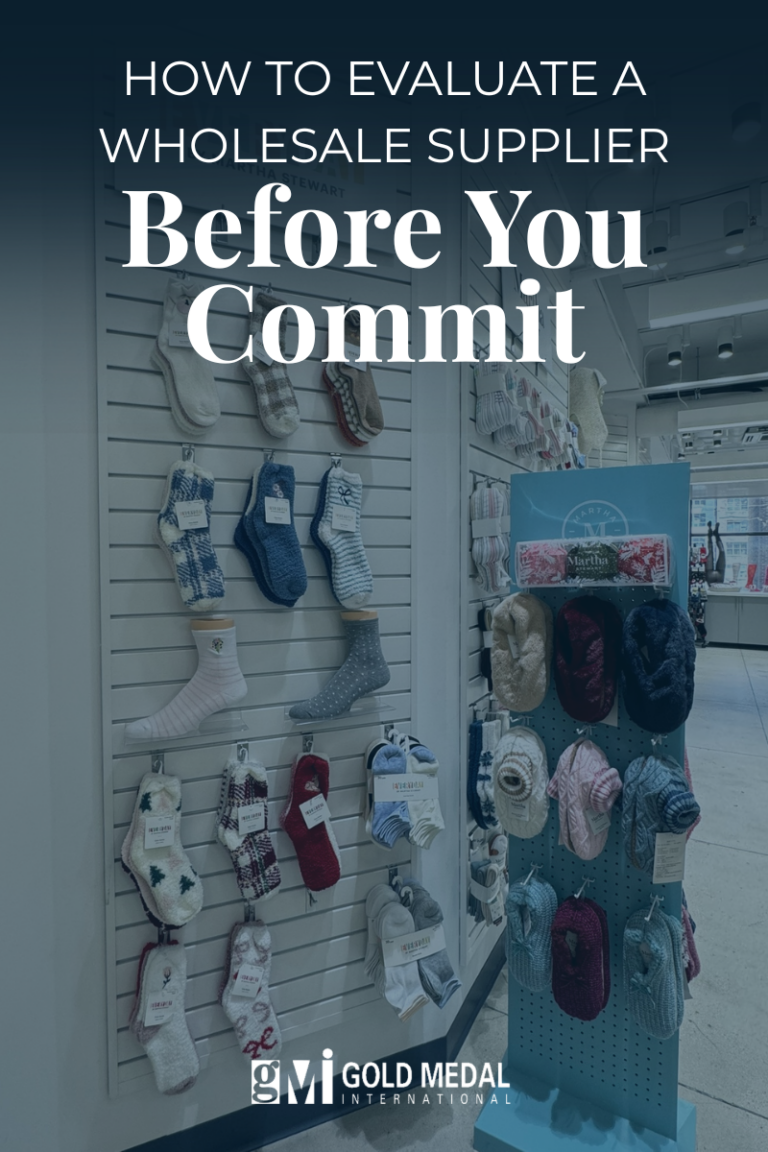
Cross-category placement is another reliable lift, and the nice part is that it tends to help both categories at once. Socks near footwear. Cold weather accessories near outerwear. Hosiery near dresses. Slippers near loungewear. The pairing does the selling on its own, because the customer makes the connection without any prompting. It’s one of the most efficient strategies available.
Seasonal endcaps reward retailers who plan ahead and rotate with a little discipline. The stores getting the most out of them are set up before the window opens and refresh the display often enough that repeat customers always find something new. An endcap that evolves keeps pulling attention and gives loyal shoppers a reason to slow down on every visit. I
And one of the simplest moves of all: give your highest-margin SKUs eye-level positioning. The products that earn you the most should be the easiest to see. A quick walk of the floor with that single lens in mind tends to find easy wins in almost any store.
Building a Mix That Keeps Customers Engaged
The best-performing accessory sections are built around a balance of staples and trend-driven products. Getting that balance right keeps customers coming back and browsing, and it’s very much a learnable skill rather than a guessing game.
Staples are the anchor. They drive repeat purchase behavior that makes accessories a dependable revenue line. Customers who consistently find the basics they need become habitual buyers, and that compounding loyalty is worth protecting.
It’s easy to under-weight staples because they don’t feel exciting to merchandise, but the basics quietly carry a lot of the category. Leaning into them is one of the most reliable ways to build a steady base of sales.
Trend products create the reason to browse. They turn a quick grab into a longer look, and a longer look into a larger basket. The opportunity here is in selecting trend items with enough staying power to sell through, which gets easier with experience and with a supplier who can help read where demand is heading.
Licensed brands consistently perform well on sell-through because recognition makes the decision easier for the end customer. A trusted name reduces hesitation, so the product converts faster and works less hard to earn the sale. Building part of the mix around recognizable licensed names puts that built-in trust to work for you right at the shelf.
Price architecture is worth revisiting from time to time as well. A clear entry, mid, and premium tier gives customers room to trade up, and many will when the option is presented well. The tiers need to be merchandised so the step up feels natural. A thoughtful price ladder captures revenue that a single flat price point would simply leave on the table.
Inventory Consistency is the Quiet Engine
If there’s one habit that ties the strongest accessory programs together, it’s consistent availability. This is the engine behind everything else, and it’s where we get steady, dependable sales.
A customer who finds a product they like will come back for it. That repeat behavior is exactly what makes accessories so valuable, and keeping the shelf reliably stocked is what protects it. When the category is consistently available, customers build the habit of buying it from you, and that habit compounds into a meaningful revenue line over time.
Seasonal planning is where retailers really pull ahead. The buyers who capture the full seasonal lift are the ones who commit to inventory before the window opens, so they’re selling through at full margin right when demand peaks.
The seasonal calendar in accessories is predictable enough that planning ahead is very achievable. If you lean into that predictability you can turn it into a real advantage year after year.
The supplier relationship makes this consistency feel effortless. Reliable replenishment, proactive communication on availability, and a partner who understands your sell-through patterns keep an accessory program humming without eating up your bandwidth. With the right partner in place, inventory stops being something you have to manage closely and becomes something you can count on.
What the Best Programs Have in Common
The retailers we work with who get the most out of their accessory programs tend to share a few good habits, and the encouraging part is that every one of them is learnable and repeatable.
- They treat accessories as a category worth managing. Someone is paying attention to the mix, the placement, and the performance. When the category gets attention proportional to what it can actually deliver, it tends to reward that attention generously.
- They plan seasonally and commit early. They’re positioned ahead of the season with inventory in place before the window opens, which lets them sell at full margin during peak demand. That forward-thinking is one of the most reliable habits a buyer can build.
- They consolidate their supplier base. A partner who can cover the full range, from socks and hosiery to cold weather and pet accessories, with consistent quality and dependable availability, simplifies the operation and frees up time for everything else. Fewer relationships to manage, fewer moving parts, more bandwidth for the work that grows the business.
- They value reliability alongside price. The strongest programs are built on partnerships where the inventory shows up as promised. That consistency protects the repeat customers and the steady margins that make the category so valuable in the first place, and the retailers who prioritize it tend to find their accessory business becomes one of the most dependable parts of the floor.
The Opportunity Is Right There
Successful retailers manage their accessory category with a little intention, planning ahead, and working with partners who make execution easy. Every one of those moves is well within reach, and most of them cost very little to put in place.
If your accessory program has more room to grow, the path forward usually runs through the structure behind it: the mix, the placement, the inventory rhythm, and the supplier relationship that ties it all together. Strengthen those four and the category tends to take great care of you. The upside is real, it’s achievable, and for most retailers it’s closer than it looks.
Gold Medal International partners with retailers to build accessory programs designed around consistent sell-through and strong margins. If you’d like to talk through what that could look like for your business, contact us.