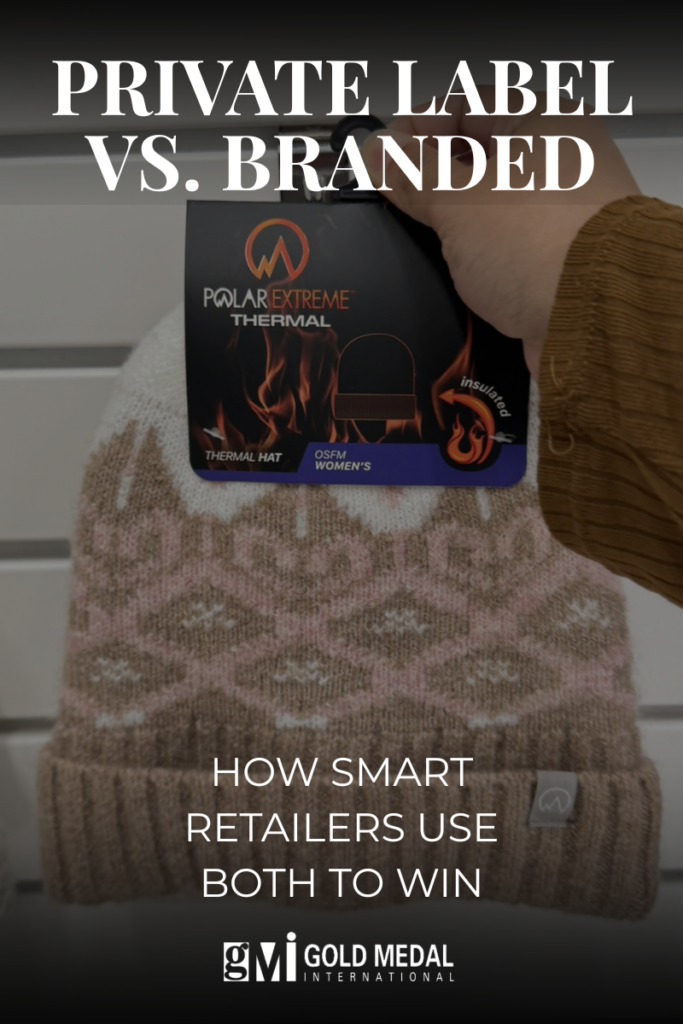
Walk through the accessory section of any well-run retail store and you’ll notice recognizable brand names (the ones customers reach for without thinking) sitting right alongside products with the store’s own label.
Both are selling. Both are making money. That’s not an accident.
The retailers who are winning in accessories right now aren’t debating private label versus branded. They’ve figured out that the question isn’t which one to use — it’s how to use both with intention. And that shift in thinking changes everything about how they buy, how they merchandise, and how they grow.
But before we get to the strategy, it helps to understand what each option actually brings to the table.
Selling Branded Products
When a customer walks into a store and sees Fruit of the Loom or Martha Stewart on a package, something happens before they’ve read a single word of copy. They already have a feeling about that product. They’ve seen the name before. Someone they trust has probably bought it. That recognition is doing quiet, powerful work.
That’s the core value of a branded product: built-in trust that you didn’t have to earn from scratch.
For a retailer, that translates into a few practical advantages. Branded products move faster off the shelf because the purchase decision is easier for the customer. There’s less hesitation, less comparison shopping, less “let me think about it.” The brand has already done years of marketing work that benefits anyone stocking it.
Branded products are also easier to buy into a new category. If you’re expanding into accessories for the first time (or testing a new section) a recognizable name reduces the risk. Customers are more forgiving of a new store section when they recognize something on the shelf.
The trade-off is real, though. Branded products come with lower margins. You’re paying for that recognition, and so is everyone else carrying it. You also have less control over pricing, packaging, and how the product is positioned in your store. When you stock a branded item, you’re operating within someone else’s framework.
Best use cases: anchor products, high-traffic areas, new category launches, and anywhere customer trust needs to be established quickly.
Selling Private Label Products
Private label works differently. There’s no built-in recognition, no borrowed equity from a national brand.
What you get instead is control, and with the right supplier, that control translates directly into margin.
Because you’re not paying for the brand name, the margin potential on private label is higher. But it goes beyond just the number on the invoice. With private label, you control the pricing. You control how the product is packaged and presented. You can build a look and feel that’s consistent with your store rather than someone else’s brand standards.
Over time, a well-executed private label becomes something valuable in its own right: a product your customers associate with you. Retailers who’ve built strong private label programs often find that their customers become loyal to those products specifically, which drives repeat visits and reduces price sensitivity.
In fact, the private label can become its own brand.
The honest trade-off: trust has to be built, not assumed. A private label sock sitting next to a branded one on the shelf doesn’t automatically win. The quality has to be there. The packaging has to communicate value. The product has to earn its place through performance, not through a name customers already recognize.
The good news is that “earning trust” is a solvable problem, especially when you’re working with a supplier who understands your customer and can help you develop products that are right for your floor.
Best use cases: replenishment staples, basics, programs where consistent quality and reliable reorder matter more than brand recognition, and categories where your customer is already comfortable buying store brand.
The Upside of Getting the Balance Right
Here’s what we actually see when retailers approach this strategically rather than defaulting to one or the other: their accessory sections perform better, their margins improve, and their shelves work harder.
When branded and private label are placed intentionally, they complement one another. The branded product draws the customer in and provides a credibility anchor. The private label product offers value and drives the margin. Customers who pick up the branded item often end up adding a private label basic because it’s right there, the quality looks right, and the price makes sense.
We’ve seen this pattern hold across store types, from independent retailers to regional chains. The mix looks different depending on the customer base, but the principle is consistent: branded for credibility, private label for margin.
There’s also a planning benefit that doesn’t get talked about enough. When you’re running both, you have more flexibility. If a branded program has supply issues, your private label business isn’t affected. If you need to protect margins during a difficult season, you have levers to pull. A blended approach gives you options.
Retailers who commit fully to one side tend to be more exposed. All-branded means you’re entirely dependent on other people’s pricing and availability. All-private label means you’re carrying all the trust-building work yourself, which takes time and requires getting the product exactly right from the start.
The retailers who get the balance right are making smarter buying decisions and building a more resilient business.
How to Decide Branded Products vs. Private Label
There’s no universal answer here, but there are good questions to ask before you make a call.
Who is your customer, and what do they already trust?
In some markets, customers walk in with strong brand preferences. In others, they’re value-driven and open to whatever performs well. Knowing which describes your floor tells you a lot about how hard branded recognition will work for you.
Is brand recognition actually driving the purchase in this category?
For some products, the name on the package matters enormously. For others (especially basics and replenishment items) customers care about quality and price more than the logo. Socks and hosiery, for example, often fall into the second category. That’s a signal that a private label has room to win.
What do your margin targets require?
This is a business question as much as a merchandising one. If you need a category to hit a certain margin to justify the floor space, work backward from that number. Sometimes branded products can get you there. Often, the math only works with private label in the mix.
Is this a destination purchase or an impulse buy?
Destination purchases (items customers come in specifically to buy) tend to benefit from brand recognition. Impulse buys are more driven by visibility, packaging, and price. Accessories at the register or near a high-traffic section often fall into impulse territory, where private label can perform just as well as branded with the right presentation.
A practical starting point: lead with branded in any section where you’re building credibility or launching something new. Fill in with private label on the basics and replenishment items where quality and reliability matter more than the name.
How This Plays Out in Accessories
Accessories (and socks and hosiery in particular) are a category where this strategy is especially legible.
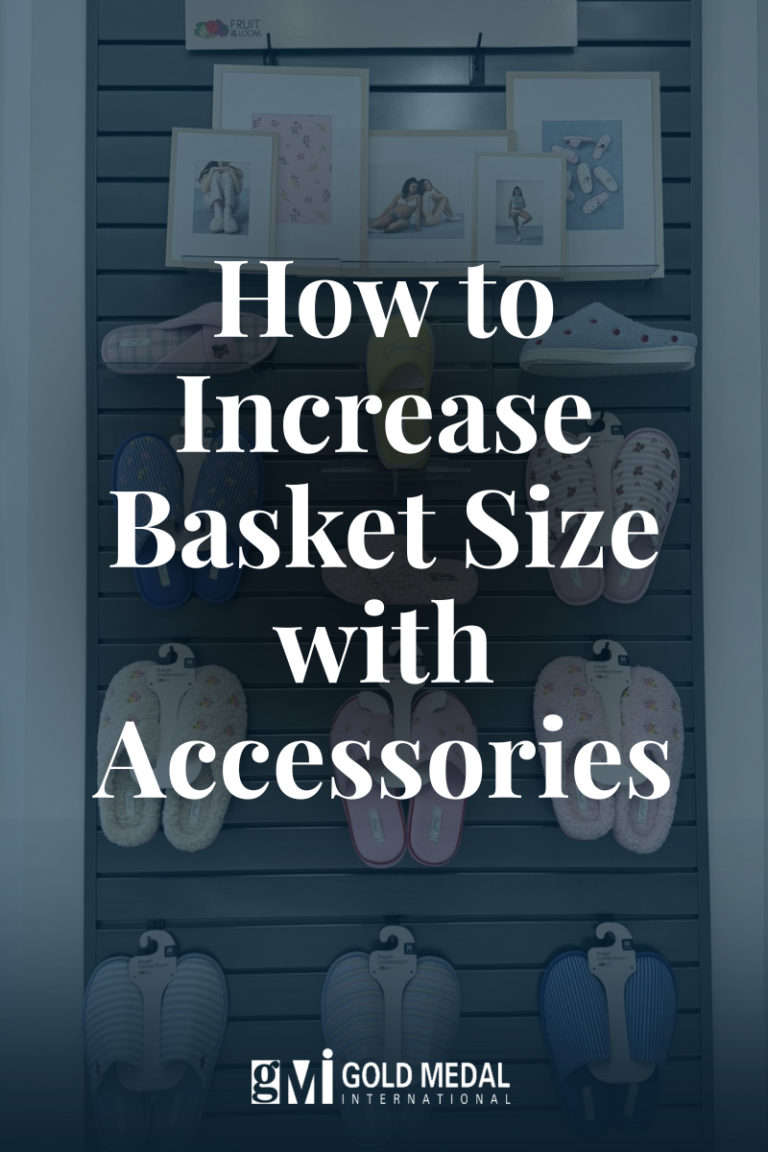
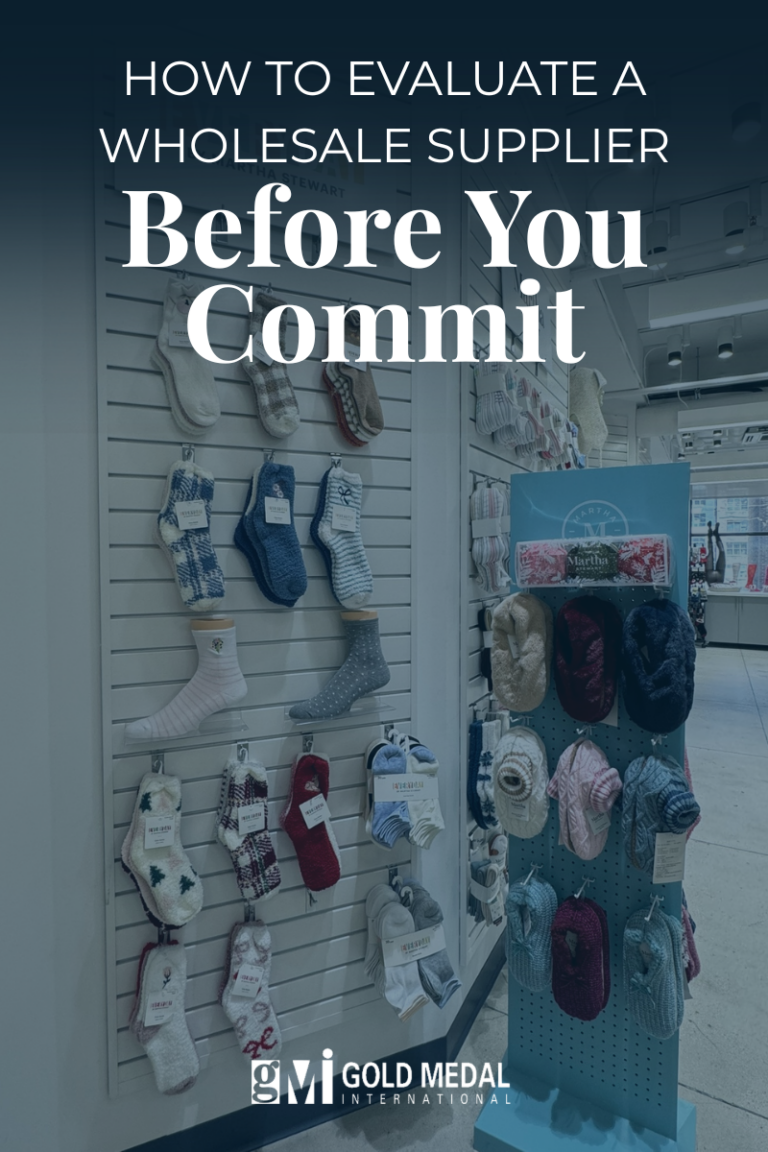
A branded sock program from a name customers recognize gives the section credibility and draws the eye. It tells the customer this is a section worth paying attention to. But directly next to it, a well-designed private label basic (priced right, packaged cleanly, stocked consistently) can outperform on margin while serving a customer who just wants quality product at a fair price.
Good shelf placement matters here. Branded and private label shouldn’t feel like they’re fighting each other. The branded product should anchor, the private label should offer value, and the overall section should feel curated rather than random. Customers can tell the difference between a section that’s been thought through and one that hasn’t.
The replenishment side of accessories also favors private label in many cases. When a customer finds a basic sock or a cold-weather accessory they like, they’re going to come back for it. A private label program that delivers consistent quality turns that repeat purchase into margin that compounds over time.
Questions to Ask Your Supplier
If you’re thinking about building a mix of branded and private label in your accessory section, your supplier relationship is the thing that makes or breaks it. A few questions worth asking:
Can they support both? Not every supplier can execute on branded programs and develop private label. You want a partner who’s done both and understands how they work together.
What does replenishment look like for each? A private label program that sells through but can’t be reordered quickly creates gaps on the shelf and erodes the customer relationship you’ve been building.
Do they understand your customer well enough to help you develop the right product? A supplier who’s just filling orders isn’t the same as a supplier who’s helping you build a program. The second one is more valuable.
What’s the lead time, and how do they handle quality control? For private label especially, consistency across orders is non-negotiable. One strong run followed by a weaker one does real damage.
The Bottom Line
The retailers doing well in accessories right now have generally figured out the same thing: branded and private label aren’t competing philosophies. They’re tools, and tools work best when you use the right one for the right job.
Branded brings trust and velocity. Private label brings margin and flexibility. Together, used with intention, they build a section that performs year-round, not just when the right brand has a good season.
If you’re thinking through your accessory mix and want to talk about what’s worked for retailers we’ve partnered with over the years, we’re always happy to have that conversation.