Accessories are often overlooked in retail strategy. They are viewed as supplementary items: useful for rounding out assortments but rarely treated as core growth drivers. For independent retailers in particular, this mindset can mean leaving significant opportunity on the table.
Unlike primary apparel categories, accessories such as socks, cold weather gear, and small add-ons typically require lower inventory investment, offer attractive margins, and turn quickly.
They also provide flexibility. Retailers can respond to emerging trends, adjust seasonal mixes, and refine pricing strategies without the same level of risk associated with larger apparel commitments.
When approached with intention, accessories can serve as a strategic category that strengthens profitability and reinforces brand identity. The key is treating them not as a deliberate part of the growth plan, not as an afterthought.
Accessories as Margin Drivers
Accessories consistently outperform expectations when measured purely on margin structure. Because they are lower-ticket items, retailers often underestimate their financial impact.
In reality, categories like socks and cold weather accessories can deliver strong percentage margins while requiring less upfront investment than core apparel.
Part of this advantage comes from pricing psychology. Customers are more willing to add a $10–$20 item to their purchase than commit to a higher-priced garment. That impulse behavior increases units per transaction without requiring additional marketing effort. Over time, these small add-ons meaningfully lift average order value.
Accessories also offer repeat purchase potential. Unlike many apparel items that are bought seasonally or occasionally, socks and everyday essentials wear out and need replacement. This creates dependable replenishment demand and steadier sell-through patterns.
When retailers treat accessories as intentional assortment pillars rather than filler, they often find that the category delivers predictable turns and reliable contribution to overall profitability. In a competitive retail environment, that kind of consistency makes a big impact.
Accessories Give Independents Agility
Independent retailers do not have unlimited open-to-buy. Every purchase needs to make sense. Accessories usually require lower minimums and smaller commitments than core apparel, which makes them easier to manage. Instead of tying up large amounts of capital in one category, retailers can spread risk across multiple smaller buys.
Replenishment is often faster as well. Many accessory programs allow for shorter lead times and more frequent reorders. If something sells quickly, it can be restocked. If it slows down, the exposure is limited. That reduces the pressure that often comes with larger apparel investments.
This is where independents have an advantage. Large chains plan far in advance and move through rigid buying calendars. Independent stores can adjust more quickly, respond to local demand, and make changes mid-season if needed.
That kind of flexibility does more than protect margin. It creates room to experiment.
Using Accessories for Low-Risk Trend Testing
Socks and small accessories are one of the safest ways to test trends. Introducing a new color story, seasonal theme, novelty graphic, or lifestyle message through accessories requires far less commitment than launching a full apparel collection.
This means you can experiment with a limited run of patterned socks, a fresh holiday palette, or a themed cold-weather program without overextending inventory dollars.
Because accessories are lower-priced and turn more quickly, they provide fast feedback. Sell-through data reveals what resonates with customers and what does not. Strong performance can signal that a broader apparel buy is worth pursuing. Slower movement offers insight without significant financial loss.
This approach shifts trend adoption from guesswork to measurement. Instead of betting heavily on a new direction, retailers can test, observe, and refine based on actual performance. Over time, this builds a more disciplined, data-driven buying strategy.
Accessories Reinforce Brand Identity
Thoughtfully curated accessories elevate the store experience. Accessories may be small in size, but they play an outsized role in how a store feels.
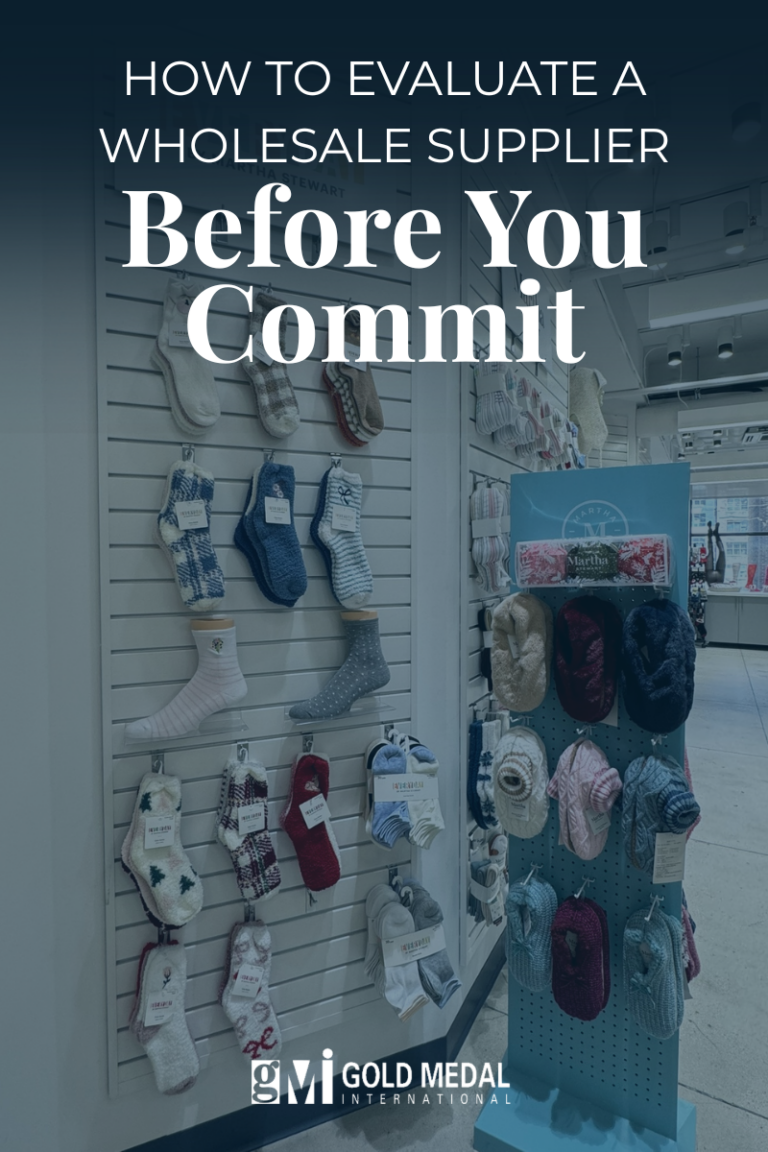
When color palettes, textures, and themes are coordinated across socks, cold weather gear, and other add-ons, the assortment feels intentional rather than random. Customers notice when a display tells a cohesive story.
A balanced mix of trend and timeless pieces strengthens credibility. Trend-driven items show that the store is current and aware of what customers want now. Core staples communicate reliability and consistency. Together, they signal that the retailer understands both fashion movement and long-term value.
For independent stores, this is a powerful differentiator. Large chains often rely on standardized assortments rolled out across every location. Independents can curate more personally, reflecting their community, their aesthetic, and their point of view. Accessories become another way to express that identity and stand apart from big-box sameness.
Accessories Increase Units Per Transaction
Accessories have a unique ability to raise the total sale without creating pressure on the customer. Because they are affordable, practical, and easy to justify, they often become the final addition that rounds out a purchase.
A shopper may hesitate on a higher-ticket garment, but adding a pair of socks, slippers, or cold weather accessories feels manageable and useful.
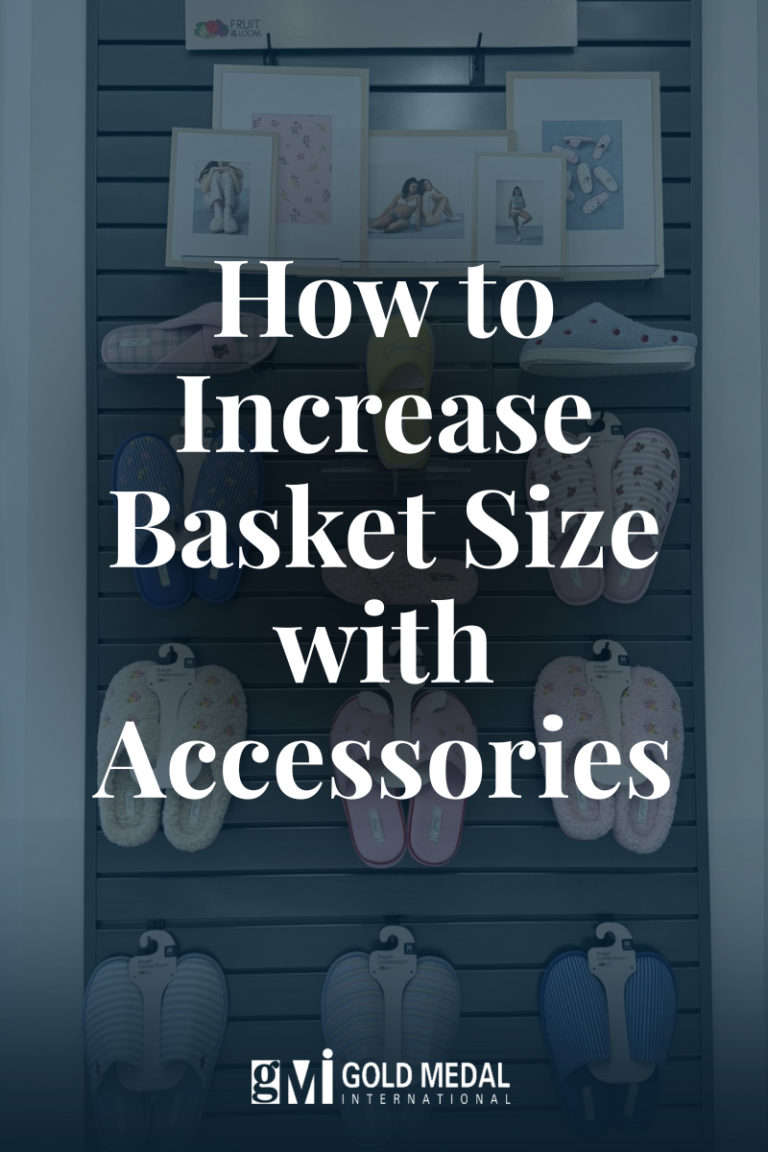
This makes accessories one of the most effective tools for increasing units per transaction. They naturally support impulse purchases, gift buying, and last-minute add-ons at checkout. A well-placed display near the register or integrated into a coordinated outfit presentation can quietly increase basket size without aggressive promotion or discounting.
Over time, even a small lift in average order value has a measurable impact. Adding one extra item to a percentage of transactions each day compounds across weeks and seasons. Unlike major apparel purchases that fluctuate with trends or economic shifts, accessories provide steadier incremental growth.
There is also a customer experience benefit. When shoppers leave with a complete look or a practical extra they feel good about, satisfaction improves. That positive reinforcement encourages repeat visits.
For independent retailers, this is a controllable growth lever. Traffic may vary, but maximizing each visit is within reach. Accessories help turn everyday transactions into stronger overall performance.
Treating Accessories Like a Core Category
Growth comes from planning, not luck. Accessories will only perform like a growth engine if they are managed with structure and intention. When retailers apply the same discipline to this category as they do to apparel, the financial impact becomes much more consistent and measurable.
Step 1: Establish Clear Category Goals
Define what you want the accessory category to accomplish. That could be margin expansion, higher units per transaction, or trend experimentation, etc. Clarity here means your buying decisions support a measurable outcome rather than reactive purchasing.
Step 2: Conduct Structured Assortment Reviews
Review performance on a set cadence (like monthly), not just at season’s end. Analyze sell-through rates, margin contribution, size distribution, and reorder velocity to identify both repeat winners and underperformers that should be replaced.
Step 3: Build Seasonal Roadmaps Early
Plan accessory programs around retail calendars well in advance. Early planning helps you get production capacity with your manufacturer, reduces last-minute freight costs, and positions the category to capitalize on predictable demand spikes.
Step 4: Maintain Open-To-Buy Discipline
Avoid overloading the category with too many small bets at once. A focused assortment with reasonable depth typically outperforms a crowded presentation. Too many choices also dilutes your inventory dollars and slows your turn.
Step 5: Partner With Reliable Suppliers
Supplier reliability directly impacts the consistency of products on your shelf. Strong communication, dependable production timelines, and transparent quality control processes are super important to reduce surprises and protect customer confidence. So make sure to find the right supplier partners!
Step 6: Protect Replenishment Cycles
Track inventory flow closely and establish reorder points before stock falls to critical levels. Consistent replenishment prevents the empty-shelf perception that can erode trust and cost repeat business.
Step 7: Use Data to Guide Trend Decisions
Use sell-through data from accessories to make your broader apparel buys. Smaller, lower-risk tests in socks or cold-weather items can validate a trend before you commit to larger seasonal investments.
Step 8: Evaluate Presentation and Placement
Accessories should be merchandised intentionally, not treated as leftover space fillers. Strategic placement near checkout areas or within coordinated displays increases visibility and improves conversion.
Big Takeaway
Independent retailers do not need to outspend big-box competitors to stay competitive. What they need is strategy.
Accessories, especially socks, offer a rare combination of strong margin, operational agility, and low-risk trend testing. They allow retailers to move quickly, refine assortments based on real data, and strengthen overall profitability without overextending inventory dollars.
When treated as an afterthought, the category performs like one, and eventually becomes a dependable growth engine.
If you are looking to build out or expand your accessories section with more structure and confidence, our team at Gold Medal International would be glad to help. Contact us to start the conversation.